Showing posts with label tips. Show all posts

Monday, 2 June 2014

It has been a while...

Well well well, I must first start with an apology for my serious lack of blogging. I have had a tough year so far which has led to me having a lot of up and down moments, neither or which make for great writing. But here we are, June 2014. 

Coming up on this blog should include:

  • AmieJCrafts introduction + regular updates
  • Dressy Digits updates
  • Teacher talk
  • Writers Tips could make a return
  • Reviews!
AmieJCrafts
My latest project sees me being creative and crafty, making gifts and keepsakes for everyone within the UK. If you can't wait for my blog posts about AmieJCrafts to be published you can visit my Etsy store here; https://www.etsy.com/uk/shop/AmieJCrafts?ref=pr_shop_more 
Or my Facebook Page: www.facebook.com/Amiejcrafts


Dressy Digits
This blog has already mentioned my shellac nail project which I offer in my local area. But sometimes it's fun to talk nails and show off what I have done for customers :)
Here is a link to my first blog post about Dressy Digits, to give you an idea of it's history: http://amielou89.blogspot.co.uk/2013/08/dressy-digits.html 
Here is my Facebook Page: www.facebook.com/dressydigits13

Teacher Talk
As an aspiring teacher, and currently studying towards my PGCE part time whilst working the rest of my time in a school as a cover supervisor, it is sometimes great to discuss what really goes on in a typical present day classroom. I also love it when my readers join in with these discussions so please feel free to leave comments! 

Writers Tips
This was such a popular time for my blog. If you are a regular visitor you know that I had many published authors on board, discussing and swapping top tips for writing. Use the tab at the top of my blog to visit all my Writer's tips entries with guest appearances from authors including Jack Croxall, Sharon Stone and Jonathan Lee. 
I really hope I can get this back up and running over the summertime to help all aspiring writers out there to enhance their masterpieces! 

Reviews
Again, as my top tabs would suggest, reviews are something I love to write. These will just pop up frequently. If you are interested in having your band reviewed please contact me using the contact me tab :) 

Well it is lovely to be back, expect to hear from me soon, gassing on about one of the categories above - or something completely new! Until then, ciao

Saturday, 2 November 2013

Psychology


Welcome to blog number 9! Thank you for your visit. This week is another solo act from me. Hoping to get the authors back in next week so keep watching this space.
So today I will be discussing how Psychology can help when writing... 

Psychology is such a useful tool when it comes to writing, I find. The study of why a person performs an action is interesting and can really help a story come to life. If you’re not familiar with psychology I’m not saying you should enroll onto a course to be able to use it for your writing. Just browse through a couple of books and pick up some new facts you didn’t know. Key facts to know for me are; how people react in certain situations, what makes people tick, gestures people might use to cover up a lie... All these things can provide a much more detailed, truthful description in your story. 


Those of you who have some knowledge on psychology may have heard of something called Neuro-Linguistic Programming (NLP). What this means is every human has a preferred way of perceiving something. They demonstrate this preference in their everyday life when they use their senses (visual, audio, feeling). Here is an example of someone demonstrating their preference of being visual with their speech:
“I see what you are saying.” “Show me what you mean.” 
Visual people tend to like tidy spaces and are also creative with subjects like art. 
Now, let’s look at someone who prefers audio:
“I hear what you mean.” “Tell me more.” 
These types of people enjoy music and prefer comfort to fashion. 
‘Feelers’ demonstrate their preference by saying things like: 
“That feels good.” “Can we keep in touch?” 
They enjoy being practical with their hands. 
Each person will transfer information into their preferred form; visual people like pictures/graphs. Audio people prefer sounds and discussion. Feelers are more hands on and digest information using emotions and feelings. 
So, you see. All these wonderful characteristics are available to your characters now. Just decide which preferred perception you want your character to have and away you go with a totally new route of creating and developing your characters. 

Body language is another route psychology can take you down when researching for your characters. Some key things to know about body language:
  • Happy people will be very open and feel secure
  • Sad people will be more closed off and have insecurities 

Insecure people may use their bag or surroundings to form a barrier between themselves and another person. 
Secure people tend to lean in when in discussion whereas insecure people will lean back or turn away. 
Then there’s the famous giveaways of a liar:
  • covers mouth
  • scratches ear
  • touches nose
  • rub an eye
  • pull a collar
More wonderful characteristics you can provide your leading roles with to represent emotions/feelings/personalities. 

Just remember there is always a reason behind every action. This is especially important to think about when writing your villains part - they must be bad/evil or do the things they do for an internal reason that is very significant to them. Be sure to reveal this at the end when your villain is caught! 

My final tip is to write about things you have experienced because it can be really difficult to write about something you’ve never done as you will be merely guessing at how the character feels. Become your character when your writing for them. 
Keep in mind that if your writing isn’t affecting you it isn’t going to affect the reader! 

Thank you for stopping by. You can follow me on Twitter via @amieblinks

Friday, 25 October 2013

Is Your Plot Viable?


Thank you for your visit and ongoing support. This weeks blog will be discussing how to make your story’s plot viable. I have no authors on board with me this week so this may be a short blog. Here goes...

The best way to start when discussing believability is if you can’t come up with a realistic way to get your character out of a circumstance you have put them in, then you should not have put them there in the first place!

The best way to produce a believable story/plot is to draw up a rough outline of the events. Josh Logan, an American playwright, said the best formula for a drama is “to run the hero up a tree in the first act, throw rocks at him in the second act, and get him down the tree in the third act.” Basically, provide your character with a difficult situation (put him in a tree), add other ingredients to make the situation worse (throw rocks at him), then help him overcome/get out of the situation (get him down from the tree). 


Always question what you write. If the answers you form aren’t believable then what you’re writing isn’t either! Why did this group of people trust the spiteful old lady they’ve never met? How did they even get onto the peak of K2? When they were left alone why did none of them use a phone or tell someone where they were going?
Have you ever watched a horror movie and asked why the next victim of the killer runs up the stairs when she knows there’s no way out up there? Or why do these teenagers insist on not taking a phone when the travel to a dark, spooky part of America? It’s these things that make us not believe a story and it’s the same when writing. If there’s a question that cannot be answered sensibly, you have probably written something implausible. 


Read through your work and decide if what you have written is necessary to the plot. “Would the plot be ruined if I cut this scene?” “Does this scene help the book move forward?” If the answer is ‘no’, cut the scene. You’ll only bore the reader and make your book drag along. 

Be sure not to insert ‘convenient’ occurrences. For example; Mollie really wants to be a singer and at school she meets a new teacher who just so happens to be manager of a recording studio on the side. Make everything you write realistic. Achievements aren’t achievements if no one has worked for it. 

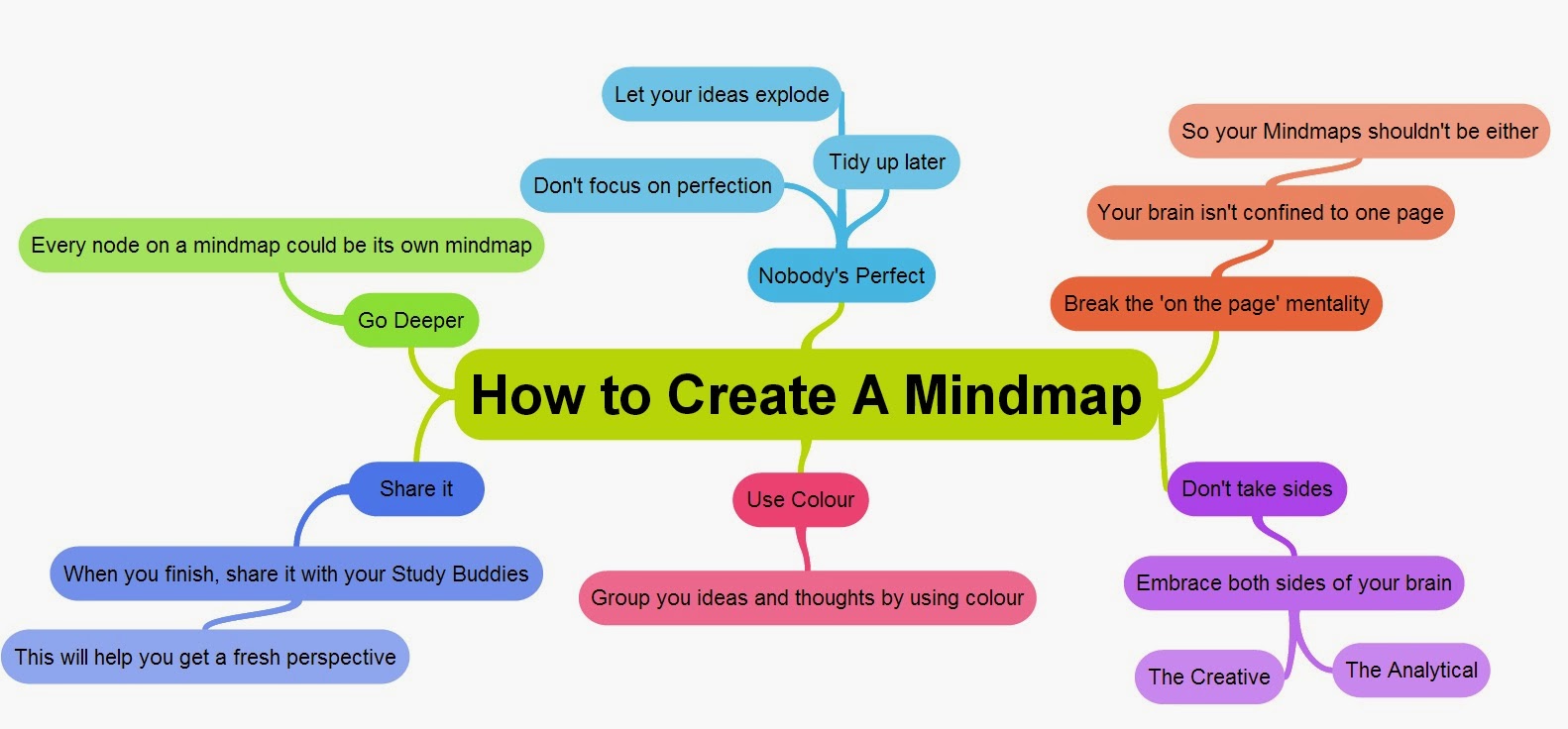
I find it helps to mind map characters to aid with the plot. This way I can see who each character is in relation to my leading role. 


So my top tips fro creating a viable plot: 
  1. Question what you write to test its believability
  2. Don’t include convenient or trite happenings
  3. Mind map characters to help you remembers who’s on who’s side. 
Thank you for visiting. Please follow me on Twitter via @amieblinks 

:)

Friday, 18 October 2013

Dialogue - Why Dialogue IS Important.


Welcome back to the world of writing tips :) It’s fantastic to announce this is our 7th week running and we are still getting so much support. Thank you. 


This week we will be discussing the importance of dialogue and how it can help your story develop. With me I have ... 
So, let’s begin. 

Firstly, I’d just like to outline the purposes of having dialogue. 
  • It can help characterisation by bringing your characters to life by letting the readers hear what they have to say 
  • Writing narrative is difficult so dialogue can convey information about your characters and situations which you might not want to deal with using narrative descriptions 
  • The plot can be developed through characters making decisions
  • Emotional states of characters are provided to your readers 
  • Finally, readers can identify with characters through their words. 


Now let me provide you with some of my top tips for writing good dialogue. 

It’s key to remember dialogue in a story is different to how you and me might talk to one another. For example; if I asked you what the square root of 3,455 was, you might say “erm” or “um” before you answer the obvious - that is 58.77 (to two decimal places). Well, I hate to break it to you fellow writers, this does not make for acceptable reading. “Yeah”, “urgh” and “pfft” are not things your character should be saying in your stories. 
Having said this, don’t now assume you have to write poshly! “Yes, we absolutely must spread that silky, golden butter onto those freshly toasted crumpets.” Try adding realism to what your character is saying; “Mum, can I have some butter for these crumpets?” Or even just “Mum, pass the butter.” It’s with your narrative that you can talk about the texture of the butter and what your character wants to do with it. 

Try to avoid writing long speeches. Here are some tips to breaking up dialogue: 
  • The person/people your character is talking to could interrupt with a comment or question
  • Your character may choose to pause for a breath
  • How about your character spotting something over the listeners shoulder? 
There are many ways to break down what you want your character to say. 

When I started writing I hated dialogue because it meant I had to come up with more words than ‘said’. You know what I mean. Every time someone spoke I felt I had to outline that to the reader by saying “Jessie said.” Little did I know that instead of repeating the word I could just get the character speaking to do something and talk about that. Through inserting actions, “Jessie said” can become much more interesting; “Jessie said, smiling gracefully.” Also, I now know it’s important not to use a string of synonyms for the word ‘said’. This can just sound boring and even patronising to the reader if Jessie ‘said’ then ‘spat’ then ‘announced’ then ‘added’ then ‘commented’ all in one paragraph. 

A good way to check that the dialogue you have produced is good is to speak it out loud, treat it like a script and read through it, making sure that your characters don’t sound stereotypical, too posh or too slang! 
Remember, unless the dialogue moves the story along there is no reason for it being there. Be sure to give it purpose and never use it to boost the word count. 

So, top tips for writing dialogue: 
  1. Don’t use slang or sound too posh
  2. Break up long speeches
  3. Don’t overuse synonyms, just say ‘said’! 
  4. Use dialogue to develop, not as a filler. 

Over to the authors then for their contributions...

First up is the wonderful Jonathan Lee, author of The Radio which you can (and should) buy on Amazon. Learn more here: www.jonathanleeauthor.com Or catch him on Twitter via @J0n4th4n_Lee.

I have to say that writing dialogue is my favourite part of writing.  It is such a useful tool for so many reasons.  Firstly, by a characters reaction to any given circumstance, their response to that circumstance can replace a thousand words of description.  The way a character speaks and communicates with others can give a lot away about who they are.
So much of my writing is about interpersonal relationships between characters and is based around the human observation aspect of how one person communicates, lives and survives alongside another. 
Therefore, as in life, the way they interact with one another will give a strong indication of aspects of their personality without having to overtly state those aspects of their personality to the reader.
The dialogue aspect can therefore state so much of a character and is arguably much more interesting than paragraphs describing a personality trait. Dialogue also helps to move the story along with a better rhythm and pace.  Many readers are actually excited about turning a page and seeing a full page of dialogue.
It is also very useful for changing a scene, or leaving a ‘cliff-hanger’ moment by using a statement from a character as the final sentence in that scene.
But perhaps most importantly, that important revelation that we are likely to find out about anyone, whether it be a character in a book or in real-life is almost always going to come from, or be confirmed by spoken word. Because ultimately it’s the main way that we all communicate.
Next up it’s the lovely Sharon Sant, author of the Sky Song trilogy also available on Amazon. Find out more here: www.sharonsant.com Or follow her on twitter via @SharonSant. 

As my friends will tell you, I’m a hopeless chatterbox in life. This means that my book characters are too, so including lots of dialogue comes as second nature when I write. However, that’s not to say that I always get it right, and I’m the first one to put my hand up and admit that. All I can do here is impart some wisdom given to me by my creative writing lecturer, and some habits I’ve picked up along the way that I feel work. 
The best advice I had from uni was that while your dialogue has to be natural, replicating real life speech leads to a lot of repetition and weak words. Use your wells, ums, buts etc. sparingly. Listen to natural speech patterns then copy them with edits – a bit like airbrushing a photo – it’s real, but cleaner.  
You don’t always need an adverb in your dialogue tag to tell the reader how that particular line was delivered. Have faith in your characters’ ability to speak for themselves – let the reader decide what mood they’re in. 
While it’s good for exposition, don’t turn dialogue into an info dump. Don’t have characters’ conversations convey things to each other that they would never actually discuss just for the sake of imparting it to readers, and don’t have a rambling great page of tell not show – having speech marks around it doesn’t make it any less boring. 
The last point is a personal preference – I like to keep my dialogue exchanges short and sharp. I rarely have a character speak more than two lines at a time. It makes it snappier. I’m not saying everyone should do it, but it whizzes your narrative along.  That also goes for dialogue tags; as long as you can make it clear who’s speaking within the order of the conversation, you don’t necessarily need any at all, or you can get away with the barest of them. 

Thank you to my contributors this week and for the ongoing support by the public. Please follow my on Twitter @amieblinks and offer new suggestions for writing tips you’d like help with. 
Stay happy. 

Sunday, 13 October 2013

The Opening Chapter


Firstly, I’d just like to apologise for the delay on getting this blog posted. I have been quite snowed under this week with other work as I am currently studying towards my PGCE which is eating into a lot of my time. 

However, with that said, here it is at last! This weeks blog talking all about the all important Opening Chapter. Today I have Jonathan Lee and Jack Croxall on board with me to offer up some top tips on how to write your first chapter. 

I’ll kick it off then with a few amateur tips. 
So, where to begin? I only have one answer - the beginning! It sounds a stupid response but where better to start? Try to include action to grip your readers because that is what it’s all about. GRIP GRIP GRIP! Encourage something thrilling on the first page, something that teaches your reader that something is about to happen and conflict is just around the corner.


As previously discussed, a synopsis is key to writing for me. So when it comes to writing the first chapter I will only do this when I know where my story is going. As with the characters, make sure what you’re writing is believable. No matter how ‘out of this world’ your story is try and offer something your readers can relate to, or recognises.

The beginning of your story should set the tone of your whole novel. It is also key to introduce your main character and make sure he/she is interesting and likeable by your target audience. Just think about all the things you want to find in a book on the first page. What do you want to learn as soon as you start to read an authors words? Take inspiration from other authors but also, take inspiration from yourself. 

So top tips: 
  1. GRIP your readers
  2. Include action
  3. Introduce your leading characters as soon as possible
  4. Think about what you would want to see in an opening chapter. 

Now it’s time to hand it over to the professionals: 

Jack Croxall says: 

I think the key to firmly grabbing any reader’s attention is to – well, how would you feel if I didn’t tell you just yet? 
It’s that same familiar mixture of intrigue and annoyance experienced in other areas of life that convinces a reader to stay between the pages. This feeling comes before a reader has got to know a book’s characters, and before they’ve fallen in love with the author’s writing style. 
I think this is what any first chapter should do; ask a question – the more mysterious and captivating the better. It is only natural for humans to want to resolve a situation, and if a reader is invested in the question from the offset, then they’re so much more likely to read the rest of any novel too.
You can follow Jack on Twitter: @JackCroxall or visit his website: www.jackcroxall.co.uk

Jonathan Lee says: 

It wasn't until The Radio was finished and going to print that I realised the importance of the first chapter.  I was fortunate as I kind of accidentally fell on my feet by introducing the radio (which plays a major part in the story) in the first three pages.  This was done on purpose from the point of view I wanted to the reader to be introduced to straightaway to the radio and also, to bring the name of my novel, swiftly into focus.  

However, it wasn't until after I finished that I realised just how important this was.  Stephen King suggests that all stories should start with a impact chapter to immediately make the reader want to know more.  My second novel, The Page does just this, beginning with a dark event on a horrific evening.  This time the page itself doesn't appear until near halfway through. 

My advice is easy.  Either drag the reader in straight away with something that will hit them and go straight for the jugular or alternatively introduce something that will intrigue them.  You need to make them move easily on to chapter two.  Also, I would recommend you introduce a least one of your main characters in the first chapter.  You need the reader to be immediately be interested in that character and want to continue the journey with them through your story.

You can find Jonathan on his website: www.jonathanleeauthor.com or follow him on twitter via @J0n4th4n_Lee 

Well that’s all for now folks. Thank you for tuning in and for your ongoing support. Also thanks to my amazing contributing authors - without you I wouldn’t be getting very far! 

Friday, 4 October 2013

Developing Credible Characters


Blog entry 5 onto my Writers Tips page and I really am thrilled at how well this is all going. Thank you for reading my blog. Also HUGE thanks for the authors who contribute. It’s such an exciting project for me and I appreciate the support. 

This week then we are looking at Developing Credible Characters and as always I will inject my top tips first and then hand over to the contributing authors for their help. On board with this weeks blog is Jack Lacey and Jonathan Lee. 

Many people who choose to write a story significantly do it for two reasons; to tell a story or to introduce a new character. Developing each of these is such an exciting task that writing - for me - will never be a ‘job’ because I love doing it. An important thing to keep in mind when developing characters are to make sure they’re believable. Even if your lead character is an alien, be sure to insert familiar characteristics and traits. Depending on who your writing for can also come into play here so be sure to pick your target audience first and then develop a character based around them. For example; if your book is aimed at teenage boys they are not going to enjoy the lead character being a ten year old boy. They yearn for heroes who they can look up to and aspire to be like. If you are writing for young readers they require simple, one dimensional characters. The older the audience the more multi-dimensional the character should become. 


Try to guard against creating stereotypical characters; steer away from the busty, blonde bar lady and the flirtatious sales guy. Mix and match characteristics for your characters to keep them interesting. I might refer you back to my character checklist that I mentioned in Blog 3 - Planning. This is something that helps me develop characteristics and mannerisms for my leading roles. 


A lot of the time, when writing and creating, a horrible thing called ‘writers block’ can take over. My cure for this is to have my trusty notebook near by (something else mentioned in planning). Carry a notebook with you wherever you may go and if you see a person with a striking attitude, quirky habbits or an interesting dress sense, make a note of them in your book. This can also be used if you hear intriguing dialogue. These notes can help you build up a portfolio of characters which you can develop in your stories. 

Psychology can help you when creating and developing credible characters. For example; explore body language. When a person is happy and secure they will generally be very open. Those insecure or feeling under threat will be closed. Some might choose to put physical barriers up between themselves and whoever they are talking to (ie; a handbag). Secure people would lean in when talking but insecure characters would lean back. Showing a character is lying? Just add in a little gesture; covers mouth, touches their nose, rubs an eye or an ear. Remember, there is always a reason for an action. 

The Seven Deadly Sins are fantastic to use when selecting personality traits for your characters. Sloth, Lust, Envy, Gluttony, Pride, Anger and Greed are all great characteristics. 


So top tips then: 
  1. Make your characters BELIEAVABLE
  2. Avoid stereotyping
  3. Use your target audience to help you create
  4. Have a trusty notebook with you at all times
  5. Draw upon psychology

Now I am going to hand over to two fabulous authors; Jack Lacey and Jonathan Lee for their input on developing credible characters. 

Jack Lacey says: 

Hi Amie, great to be back on your wonderful blog...There are many different approaches to characterisation as there are writers...As for myself, I prefer a ‘method acting’ type approach. How can we really get under someone’s skin? Because we have to do that to truly make a character real, don’t we? A principal character has to be an extension of our own psyche, as he or she is then far easier to create and is enlivened by our own personality, needs and emotions. 

The genre and plot of a book will help manifest the outline of a main character for sure, and our own voice will help shape that lead character some, but what about the small details, the ‘brushstrokes’ as my editor used to say. Well for that, I have to go undercover! Being a writer is a great excuse to do things you would never normally do and not feel like your plain crazy, all though that is undoubtedly true if you’re a writer anyway ;-) 

Go to that Elvis impersonator bingo one night, or spend a night in the forest, take up Kareoke pole dancing or jump out of a plane, if thats what your character would be seen to do! You need to ‘feel’ the environment that he operates in, in order to wear that scenario so then you can react to it as your character would react to it in order to write about it with authenticity and vibrancy. 

In my latest novel ‘American Crow’. My main guy ‘Blake’ is tied to a tree in a Kentucky forest and tortured ‘Delivrance’ style by some Hillybilly thugs. In real life, I visited that same forest for research and was lost in it one day as dusk was falling. (Okay, I didnt plan that bit!) I was petrified. I had no phone, knife nor matches. I was alone in that forest just like Blake subsequently was in the book, so I managed to write that chapter (I hope) with real emotion, infused with the horror and fear of potentially getting eaten by bears or bitten by snakes. 

More importantly, I got to know Blake a little bit better...  

"Follow in your characters footsteps"

You can catch Jack on Twitter via @JackLaceyBooks or on his website: jacklacey.co.uk


Jonathan Lee adds: 

This is a fantastic area to chat about and perhaps, in my mind the most important part of writing.  The way I work, once again may be different to my peers but hopefully this will be of help to some writers out there.

My method is simple. When I formulate my story (which if you remember is done by writing down two or maybe three simple sentences), I then choose my main two characters, give them approximate ages and list their three main traits. That is it.

The characters are based on small proportions of people I have met.  Obviously human beings have many facets to their personality. Some good, some bad.  I pick out a trait from somebody I know and then exaggerate it so it becomes the all-consuming and only trait of that person. I do the same, using two other people for two other traits and then simply mould those into the three traits into one of my main characters.

The main characters therefore have real, believable traits because they are based on fact. Albeit exaggerated and embellished fact. It is then easy to give the characters other smaller and less visible traits as the story develops and interaction takes place with other characters.

Others (who have roles that are not main character roles) are dealt with in the same way, they just perhaps have one main trait.

Take The Radio, George (the main character) is hen-pecked, caring and consumed. Auntie Lesley (a lesser, but important character) is simply a middle-aged drunk.

Character writing to me, is the most fun and I find that by starting with just a few important traits (which are engrained into the raison d'etre of that character), your characters can develop and remain believable.   

Overplanning every single trait will make your characters appear one dimensional and so much less believable.  In the case of Character Development, do just that and let them develop...

You can catch Jonathan Lee on Twitter via @J0n4th4n_Lee or on his website: jonathanleeauthor.com

So there you have it; all the tips you could possibly need on developing your characters and making them credible. I hope you’ve enjoyed this weeks blog. 
Look out next week for tips on writing the first chapter. 
Please do contact me with any topic you would like us to cover :) 

Thanks again.

Thursday, 5 September 2013

Workspace and Ritual


Hello readers and welcome to the first of many generic writers tips covered by me but also I have extra exciting news. Each week, when I upload a new writers tip topic, published authors will be contributing to this blog to offer professional help, alongside my amateur views! I feel so lucky to have them on board and urge you to look them all up and try to purchase their books and add them to your reading list. I have all sorts of writers on board! All their details can be found at the end of each of their features. Please do visit their personal blogs and read their brilliant books. 

I just want to give you an outline of this blog, what it’s about, target audience and how often you should tune in to catch up with these writing tips. 
This page of my blog will offer amateur writers some tips and hints on how to improve their writing skills. It is therefore aimed at amateur writers, however everyone, of course, is welcome :) A new blog will go up every Thursday or Friday discussing a new, generic topic under the title; Writers Tips. Please see my introduction blog below for examples that will be covered and stay tuned for further posts. 

So, without further delay I will jump into our first topic which is looking at the importance of your workspace and writing ritual...

Workspace

Some of you, as writers, may have the lucky streak of being able to write anywhere, anytime. On the bus whilst an old lady's head slowly drifts towards your shoulder. In the never ending queue at the post office on your lunch break. However, for the rest of us, we like to have a workspace, an area in our house where we can go and let our creative thoughts flow. 
For me, I find comfort on my sofa, curled up with my Macbook Pro resting on the sofas arm or my lap. The things I will always have with me when writing are my story plan (something we will look into at a later date), character lists and even sketches or drawings I have produced to help me tell the story. I may also allow myself a couple of choccy biscuits to keep my energy fueled! 
My key tip for writers - especially those just starting out - is to decorate your workspace with character profiles, images relating to your stories (if you’re writing about a real setting, pictures of that place), family trees for your characters, story sequences and even inspirational quotes. One of my contributing writers, Jonathan Lee, has a lyric from a song pinned on the wall in his workspace. The lyric is: “Maybe I should be a writer, write a book and feel much brighter and share my thoughts with the world.” This lyric was taken from a song called ‘Maybe’ by a band named The Wonder Stuff. About these lyrics Lee says “I heard the song about 20 years ago and it’s stuck with me. Love it.” He later added that they are “very inspirational.” 
Even little things like this can really help your writing excel.
Have a dictionary and theasaurus floating around too. These are so important when it comes to writing, especially when you’re editing your first, second or hundredth draft! A publisher will disregard novels sent to them with spelling mistakes. 

Ritual

When it comes to when you should write, this is again something that depends on your personal style. The ritual of preparing to write is just as important as the writing task itself. For me I tend to log in when I feel inspired to write or creative enough to produce something worthy for the story. I am quite against the idea of forced writing, even though it can all be edited at a later date. Other than that I can’t say I have a set ‘ritual’ but a great tip for writing is to come with one that you can easily stick to. Especially if you are not easily motivated, putting a ritual in place may help you stick to a timescale and indeed encourage you, even when you would rather be procrastinating! But don't make this impossible to complete. For example, if like me you work full time, don't then diarise yourself to write for two hours every night as well. It's just going to drain you and you need to feel energetic and creative when writing.
A problem that occurs with most writers is ideas coming to you at awful times. You will not always be in a place convenient enough to start writing a detailed story plan. However, there are solutions for this. Mine is to carry a small notebook around with me wherever I go, or always make sure my phone is free to quickly note down my thoughts. This little tip can also come in handy if you’re on a bus, for example, and overhear an interesting conversation you’d like to remember for a story, or spot an interesting character across from you in a restaurant. 

Let’s now see what my contributing authors have to say about their Workspace and Rituals. I will of course do the honours of introducing them as we go... 


Jack Lacey


A former health journalist, a geopathic dowser and fiction writer of twelve years who is about to publish his fourth novel. 

Jack says:

First things first... Thanks Amie for inviting me to input on your great blog! It’s a real pleasure to be here... 
Workspace and ritual are both exceedingly important subjects for the serious author to consciously consider. As writers, most of us like to write from the heart and with passion; to be lost in that story which suddenly envelopes us from nowhere. 
I’d like to start with Ritual... that first part of the pre-writing ritual is not to hamstring myself from the beginning. Say ‘No’ to that party invite or weekend break if that little indie voice is saying... I NEED to write! If you get the ‘urge’ you just have to run with it, as there are plenty of times when it just doesn’t flow! 
The next point is clearing the mental decks before you sit down. I have a few simple tricks, and for me the best by far is by taking a walk in nature. Nature calms our mind-chatter down, it helps our brain and body frequencies resonate to that of nature’s frequency, which is not only beneficial for our health but relaxes our thoughts dramatically. For me the next best thing is YOGA. You don’t have to be some bendy guru or have beautiful cotton garments or an expensive mat to do a few positions. All I did was buy a discount yoga book and learned to do just a few simple poses at home. My third option in my pre-writing armoury is a nice hot bath with some aromatherapy oils. (Yes, even us men can do that). 
Next, I switch off the phone and log off the internet! Writing is your sacred time. Don’t be available and don’t get distracted. 
As for Workspace, I think it’s different for everyone, depending on how much choice you have. Be bold is my advice on this front and trust in what you need to do to support your writing. Depending on what stage I’m at with my writing, colours my choice of venue and my approach. Sometimes, I like a view and the feeling of space around me. Sometimes though, I have to shut myself away in the bedroom for that ‘hideaway effect’. As writers, I think we can feel isolated too, and sometimes we just need to be around other people during the creative process. For this I’ll find a cafe in town. 
Never stop believing that you’ll get your wonderful book finished... 

For more information on Jack Lacey and his books please visit his website www.jacklacey.co.uk where you can read the first six chapters for FREE of his new, road-trip thrill, novel ‘American Crow’. Or check out his blog at www.jacklacey.blogspot.com. Finally, you can tweet him via @jacklaceybooks.


Jack Croxall


Author of the YA Victorian Mystery, ‘Tethers’ and dark journal ‘X’. Writing has been a lifelong talent for Jack which he began pursuing professionally in 2008. 

Jack says: 

I think one of the most important ingredients for a productive writing session is the location in which you write. Personally, I find setting up and returning to a particular space really helps me to make real progress when I delve into my fictional words. 
If you return to the same area and do the same kind of activity there day in day out, I think i’m right in saying that your brain begins to associate said space and its specific cues (aesthetics, sounds, smells etc) with the mindset needed for that particular brand of activity. 

Let’s see a picture of Jack’s very own workspace where he mentions “the table is a good height, the chair suitably comfortable and I have a window to stare expectantly out of when I’m desperately seeking inspiration.” 


For more information on Jack Croxall and his novels you can visit his website: www.jackcroxall.co.uk or tweet him via @JackCroxall 


Sharon Sant


Author of YA novels ‘Runners’, ‘The Memory Game’ and the ‘Sky Song’ trilogy. Sharon has been writing her entire like, but took until 2009 to graduate from Staffordshire University with a first class honours in English and Creative Writing. 

Sharon Says: 

I’d love to say that I have a fabulous summer house at the bottom of the garden equipped with heated floors, luxurious padded seats and Apple Mac, but, in reality, I have a corner of the dining table or a tub chair in the bedroom with my old laptop. 
While I’m writing I need a window to look out of and buckets of tea. I graze a lot too, but trips to the kitchen are more for movement than because I need them; when I’m stuck it helps to get the mojo working to get up and potter about. 

Let’s have a look at Sharon’s workspace before we learn of her writing rituals. 


Sharon says:

If I have a cracking idea for a story, you can usually bet i’m in the supermarket queue or driving to work - somewhere where it’s impossible to begin writing it down. When I’m out I always have a notebook with me so I’ll scribble in there. If I’m at the office in my day job, I’ll email a plan or first paragraph home to myself. 
I can type faster than I can write and my initial thoughts are always at the speed of light so I have to type it if I can. I use the computer screen for the first few drafts, then when I’m happy with those I will line edit and proofread from my kindle - I just feel like everything looks much clearer on there. Kindles are a great invention, if only just for that reason! 

For more information on Sharon Sant you can visit her website: www.sharonsant.com, tweet her via @SharonSant or find her on facebook; www.facebook.com/sharonjsant


Jonathan Lee


Author of ‘The Radio’ Jonathan Lee has always said he would write a book. And now he has! He is currently working on his second novel ‘The Page’. He says he has been writing for just under 30 years.  

Jonathan says: 

Ah, the old question of workspace and whether it is possible to write anytime, anyplace, anywhere. I am sure there will be other contributors to this blog who will completely contradict my own strategy. If this is the case, then the only answer to this conundrum must be that each author needs to put together a workspace that is right for them.
All I need is the right type of keyboard and the right sized monitor and I’m away. If I ever go elsewhere to write the same keyboard has to travel with me. The keys and how they are spaced are second nature for me to hit them now, using any other keyboard ensures that I invariably hit the wrong keys due to their size or different spacing. 
The warmth of the room is paramount as well. Writing as I do, in a converted garage I have always had to plan my writing time as there was no heating. Therefore, the oil filled radiator has to be switched on an hour before I sat down to write. I am pleased to say that my first royalty cheque has paid for a radiator integrated with the rest of the house. 
I need silence. Preferably no other person in the house. I close the blinds and shut the door and then I am transported to wherever the characters are in my story. 
Create your own routine.  For me it is vital to block out chunks of time into my diary where I will sit down and write come what may. If you love to write make sure it takes the relactive equal importance with the other things in your life.

Let’s see a picture of Jonathan Lee’s workspace which he says “is an old wooden desk housed in a garage conversion.” 


To read Jonathan Lee’s diary of adventures from the moment of his debut ‘The Radio’ was released visit: www.jonathanleeauthor.com/blog”. 
What a fantastic first blog this has been. I sincerely hope you, as a reader, have learned something during your visit today. 


I do just want to add another huge thank you to partaking authors. It means so much to me as an amateur writer and avid blogger to have such a wonderful variety of authors helping me produce this blog. Please do use the sites provided to check out their individual websites and add their books to your reading lists. Also don’t be afraid to tweet them, they are all wonderful people. 

Please do leave comments below and if there is any area of writing you need help on please tell me and I, alongside my fantastic contributors, can hopefully help you with some tips :)